Yunnan V- Menghai
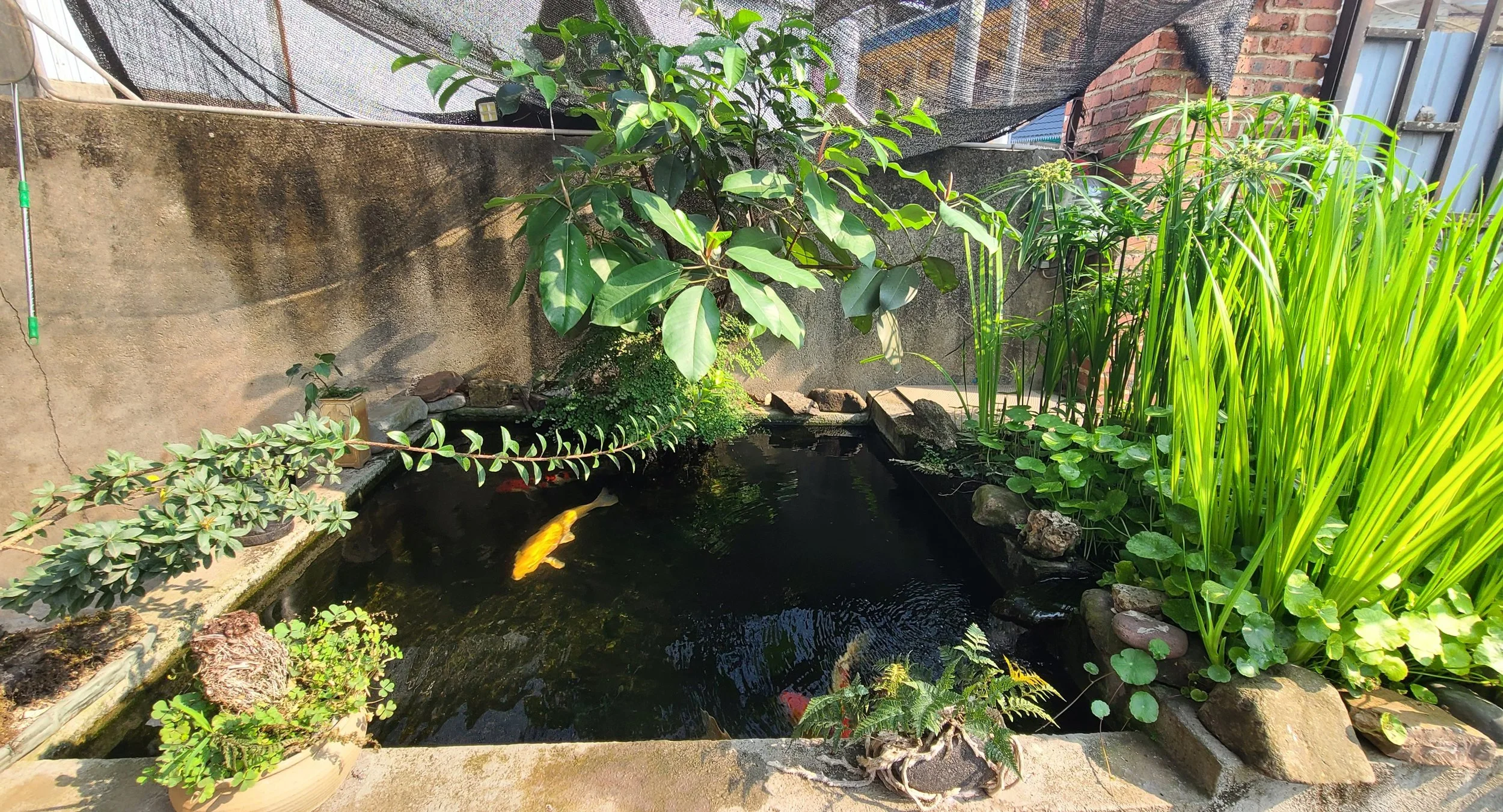
Koi pond at a tea producer’s (Wei Feng) warehouse - Menghai
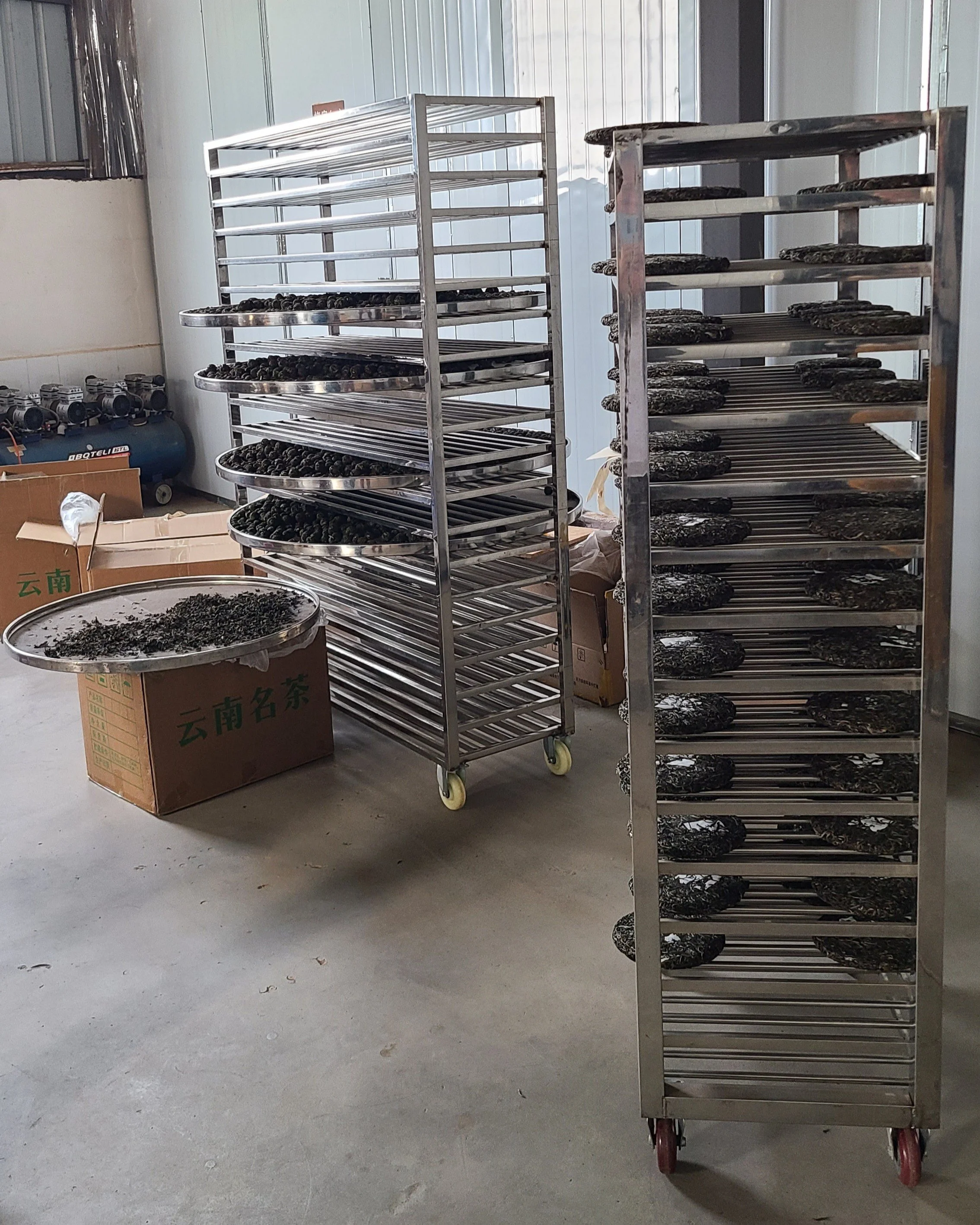
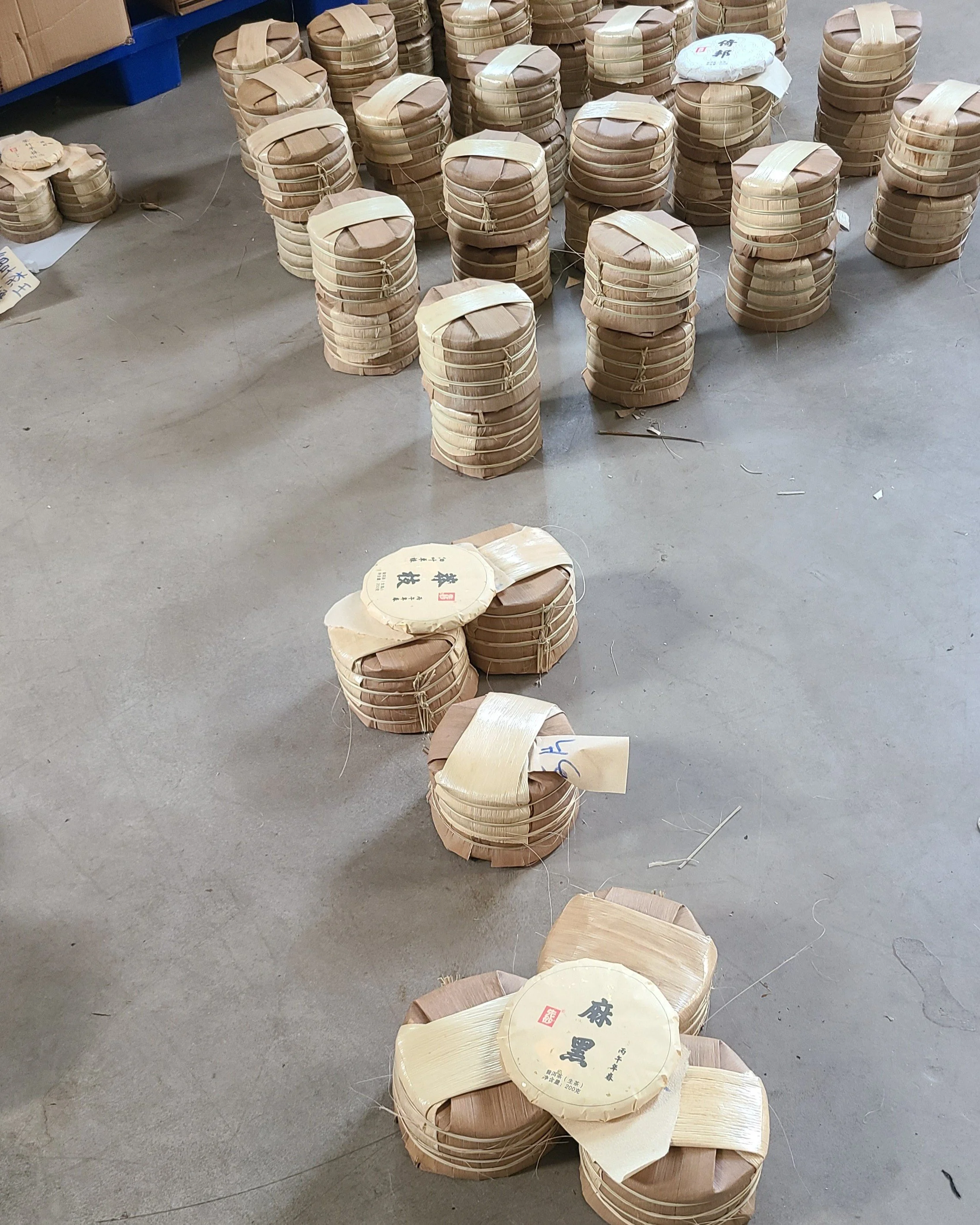
We took another high speed train to Xishuangbanna and then drove to Menghai. We would be here for three nights, and the city hotel would be the base for several outings in the area. Wei Feng and his friends would be our guide over the next few days. We went first to his factory to have a tour and learn how to press and package tea cakes.
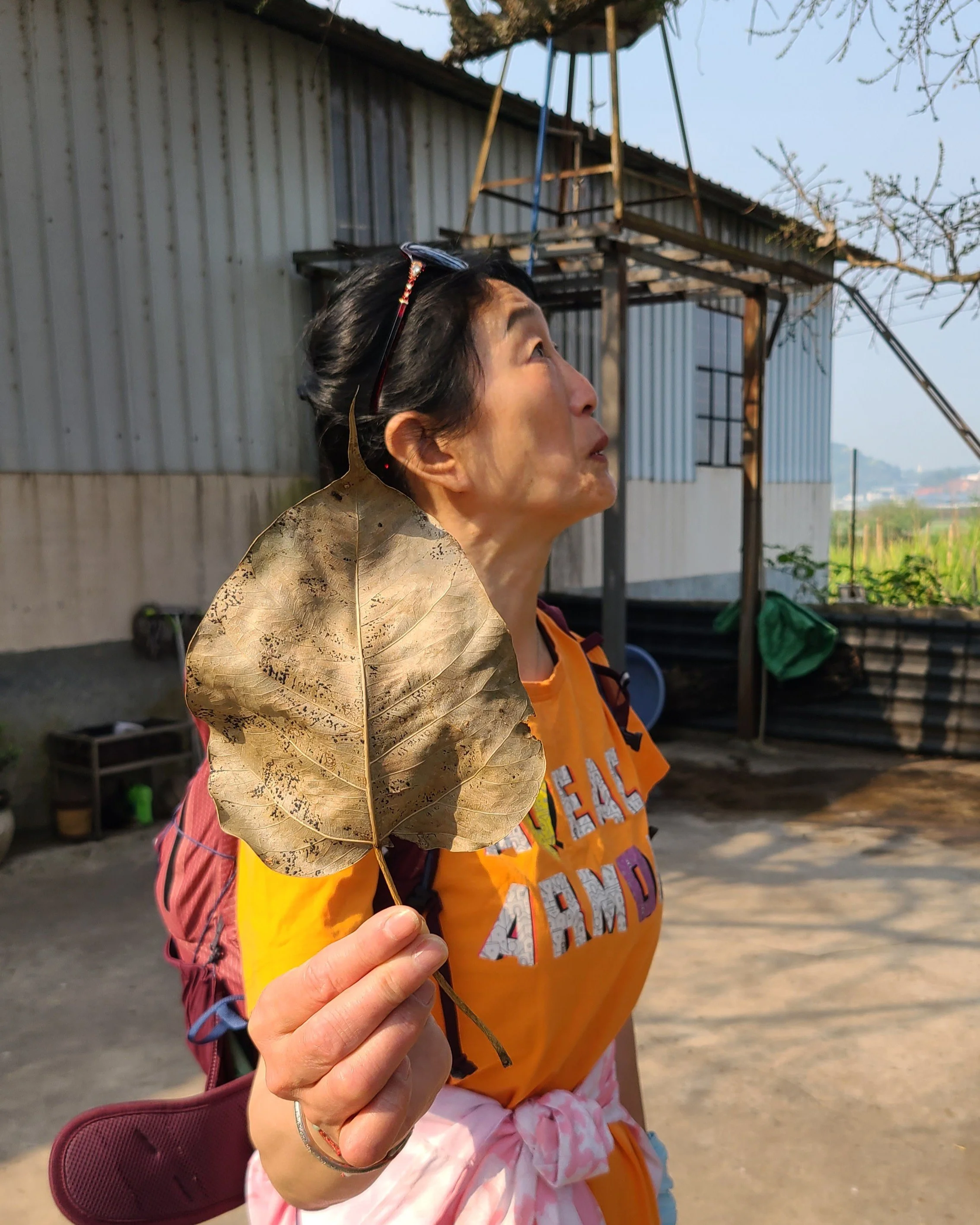
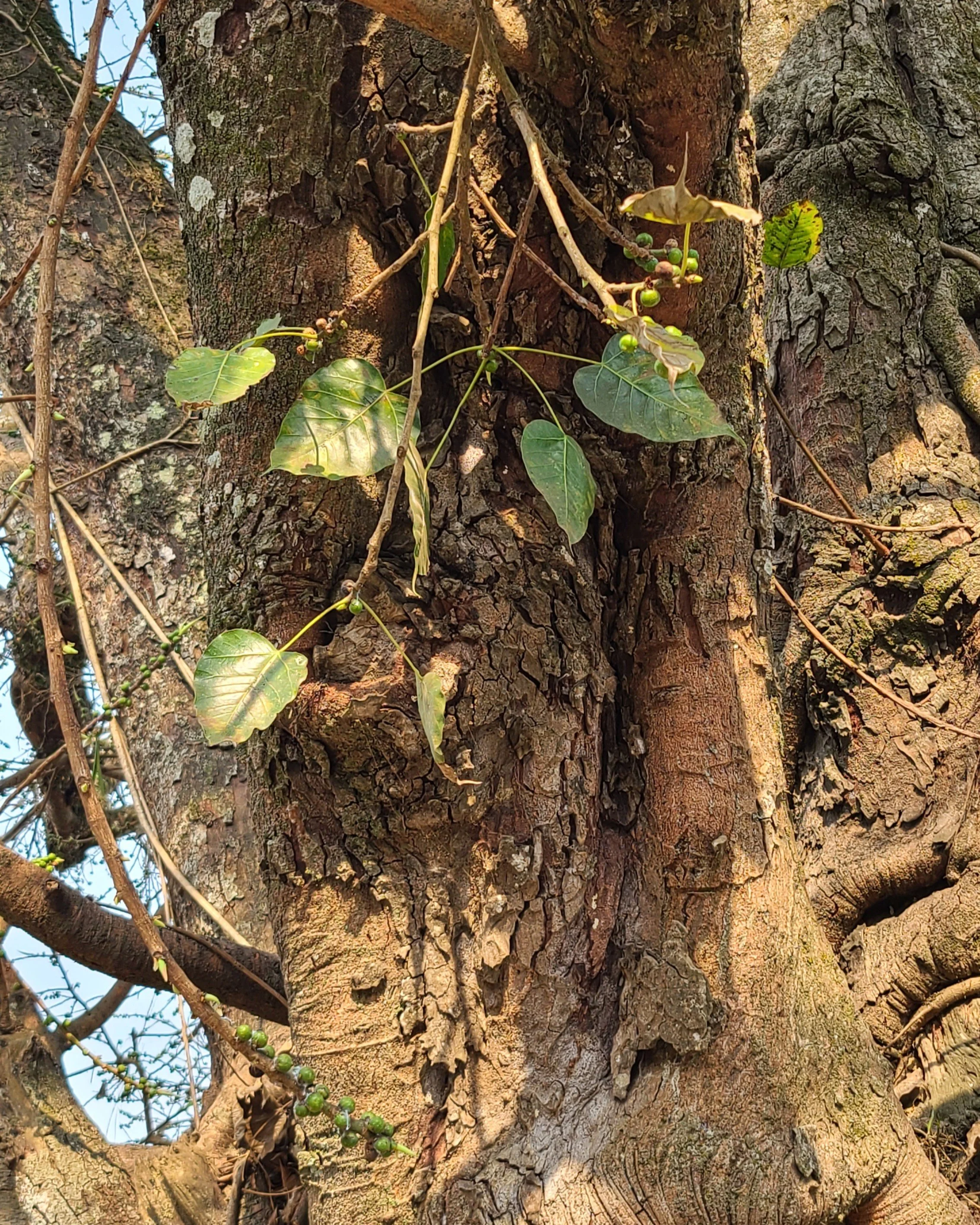
![A 300 year old Bodhi tree (Ficus religiosa) [1] at Wei Feng's factory](https://images.squarespace-cdn.com/content/v1/62363d1da110bb73864a5bf7/1780838627182-AMTRQYOY522DDQYWJNN7/20260425_093948+bodhi+45.jpg)
![steaming and pressing cakes [2]](https://images.squarespace-cdn.com/content/v1/62363d1da110bb73864a5bf7/1780841151290-V4FLNI2KIWWVLY8WS15P/20260425_steaming.jpg)
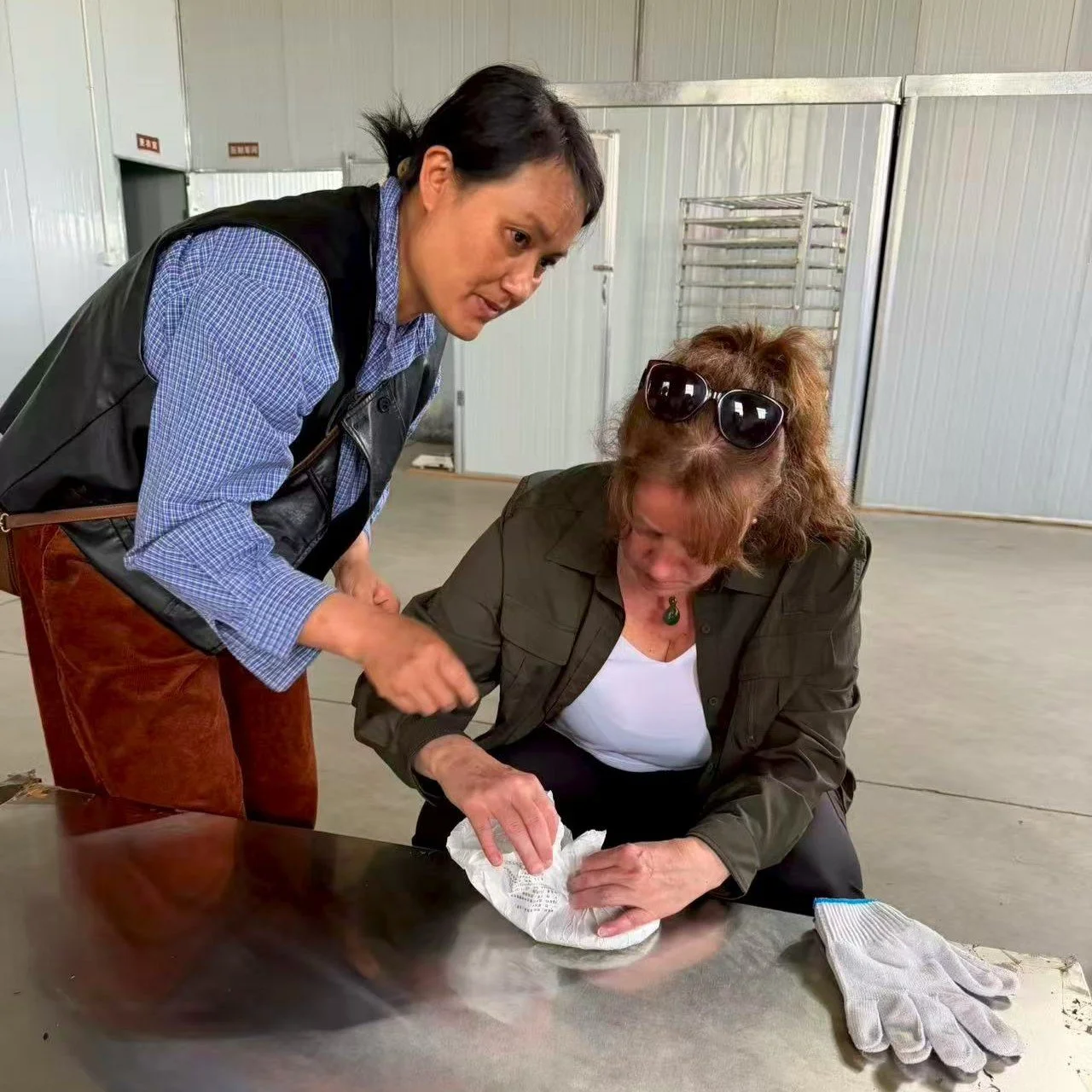
I’m being instructed on how to
properly wrap a tea cake.
We went to Wei Feng’s farm to see his processing set-up and try some tea. Bing Dao Pu’er tea producer Shan Herun was also there and gave us a sample to try his tea as well. It was superb! Wei Feng also showed us his process for creating Shou Pu’er and we got to see the leaves in various states. It was an amazing experience that isn’t often provided to foreigners. I’m so grateful to Wu Jianli and Zhen Tea who has made these contacts over decades and brought us to these producers to learn directly from them. Everyone has been so incredibly hospitable. I hope to return one day! China is so rich in heritage and there is so much to explore. I think this will be the first of (hopefully) many more trips there.
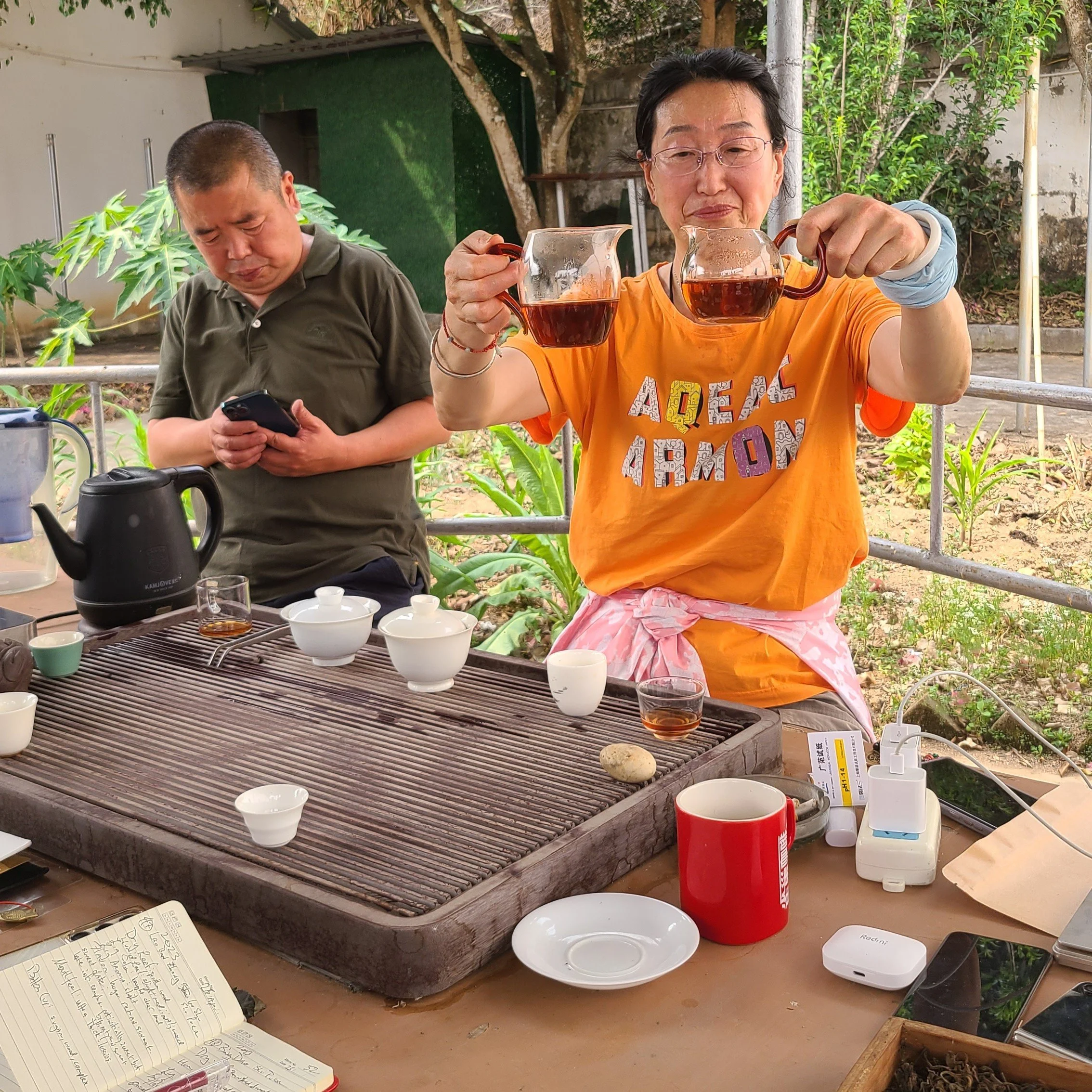
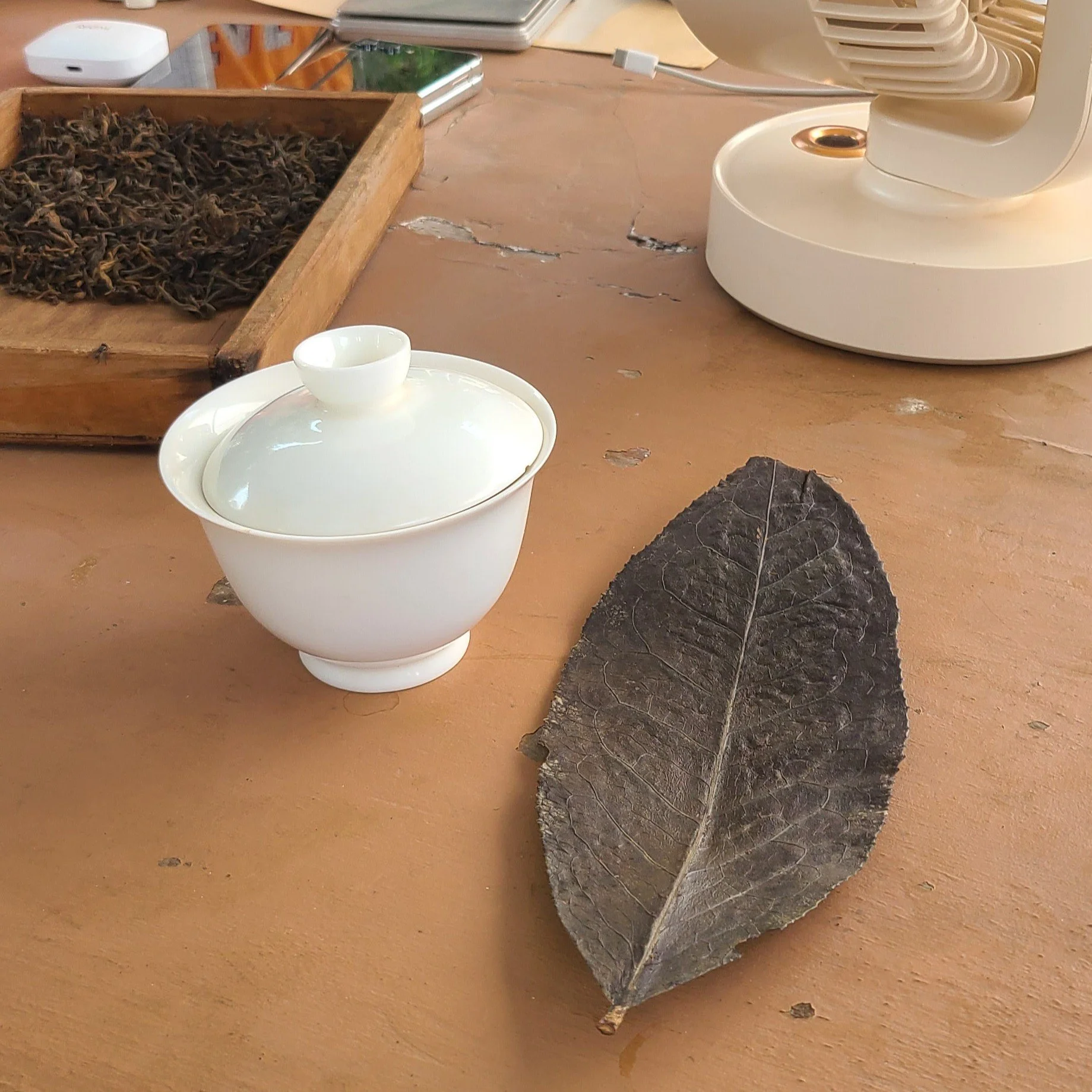
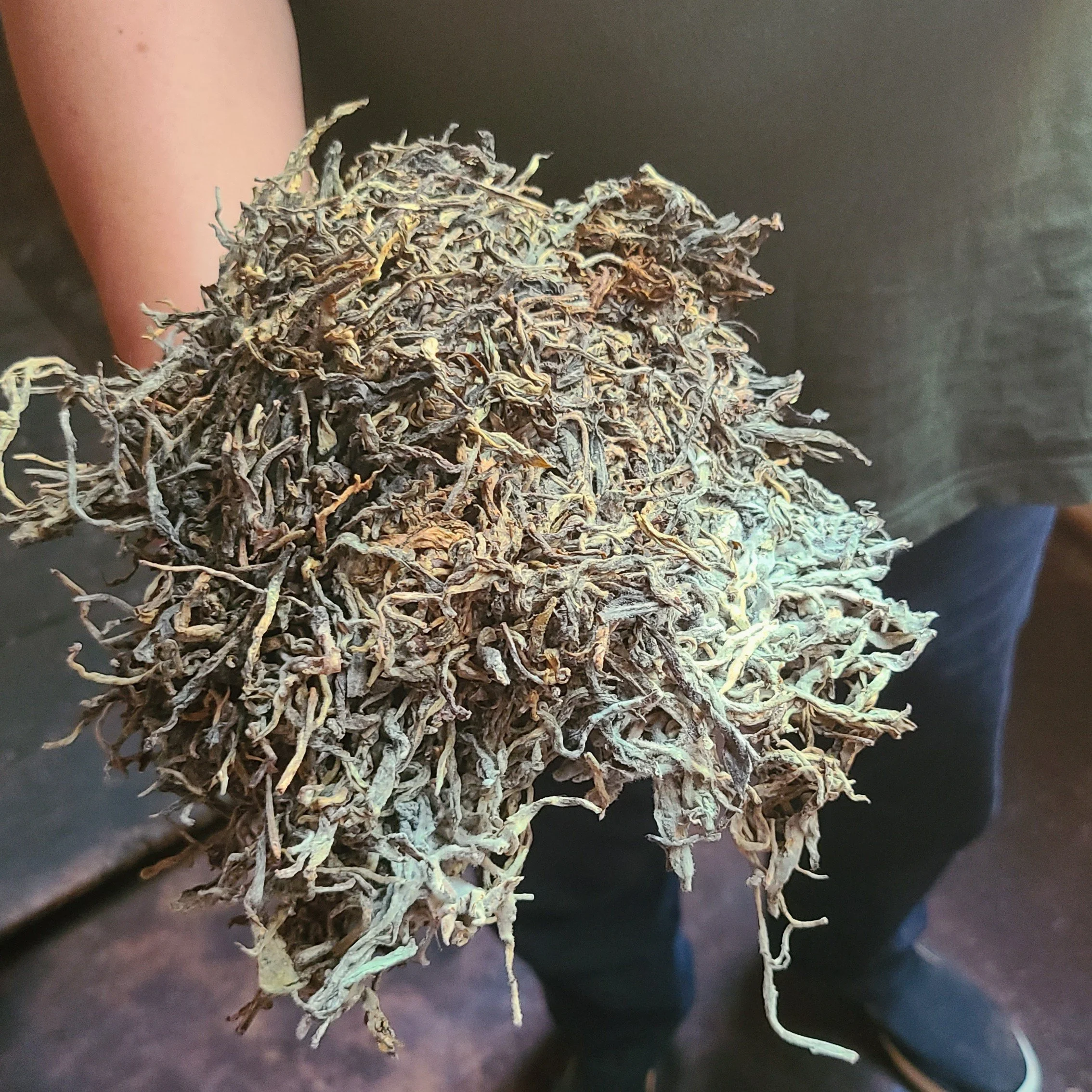
The next day we drove to Lao Man Le village in the Bu Lang Chan mountains. To meet other producers, try more tea and visit a temple and tea fields.
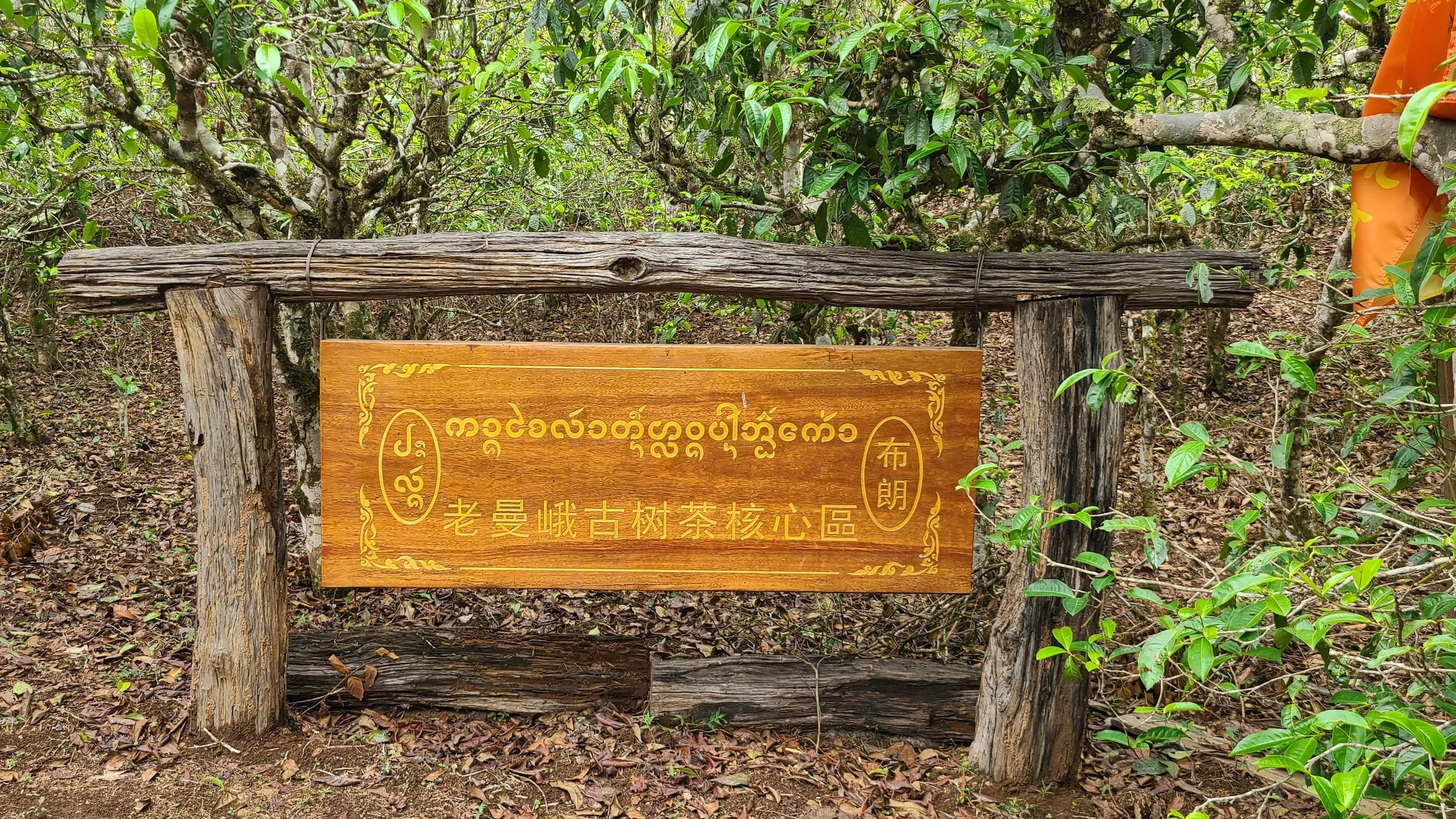
Lao Man Le Ancient Tree Tea Core Area
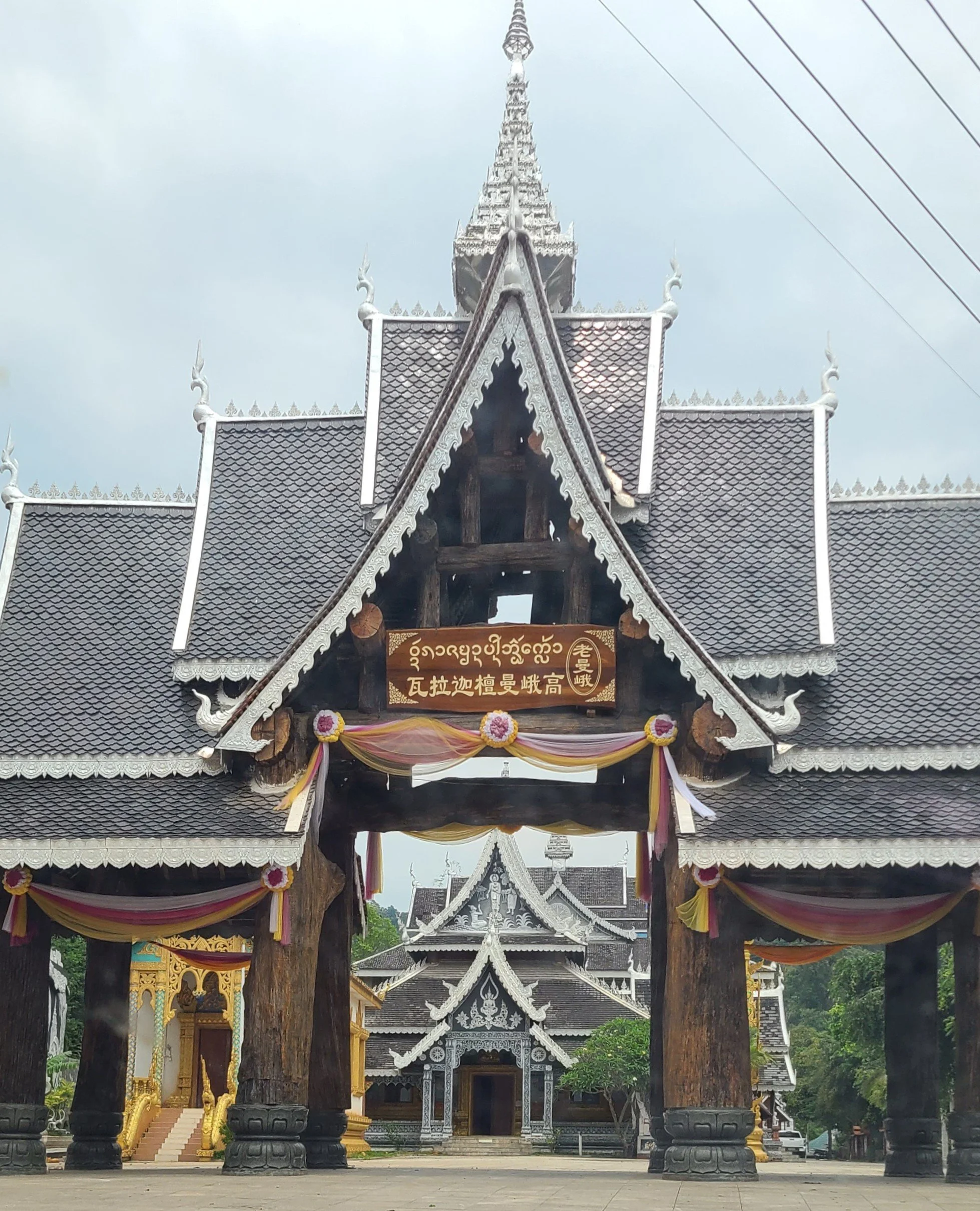
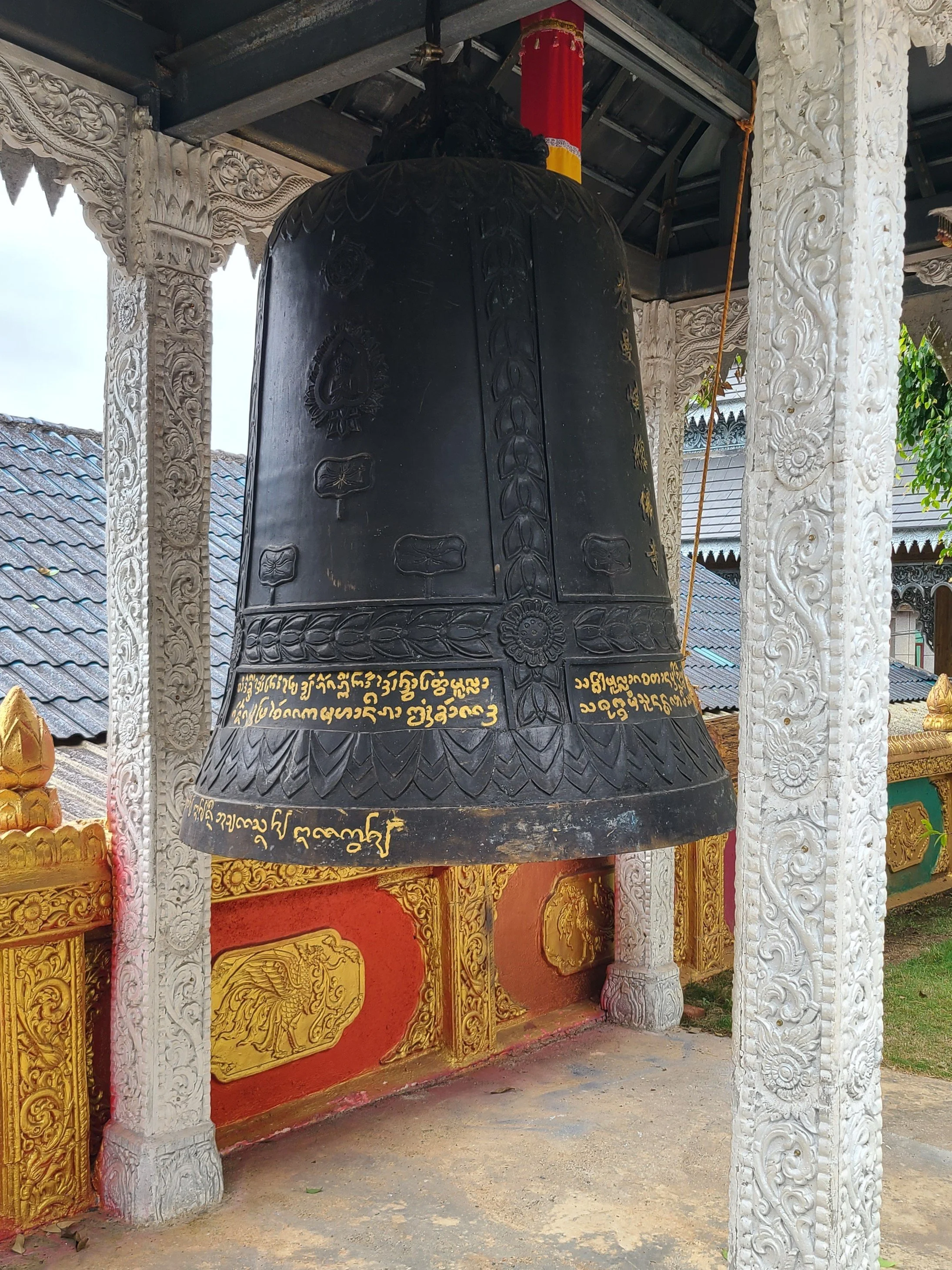
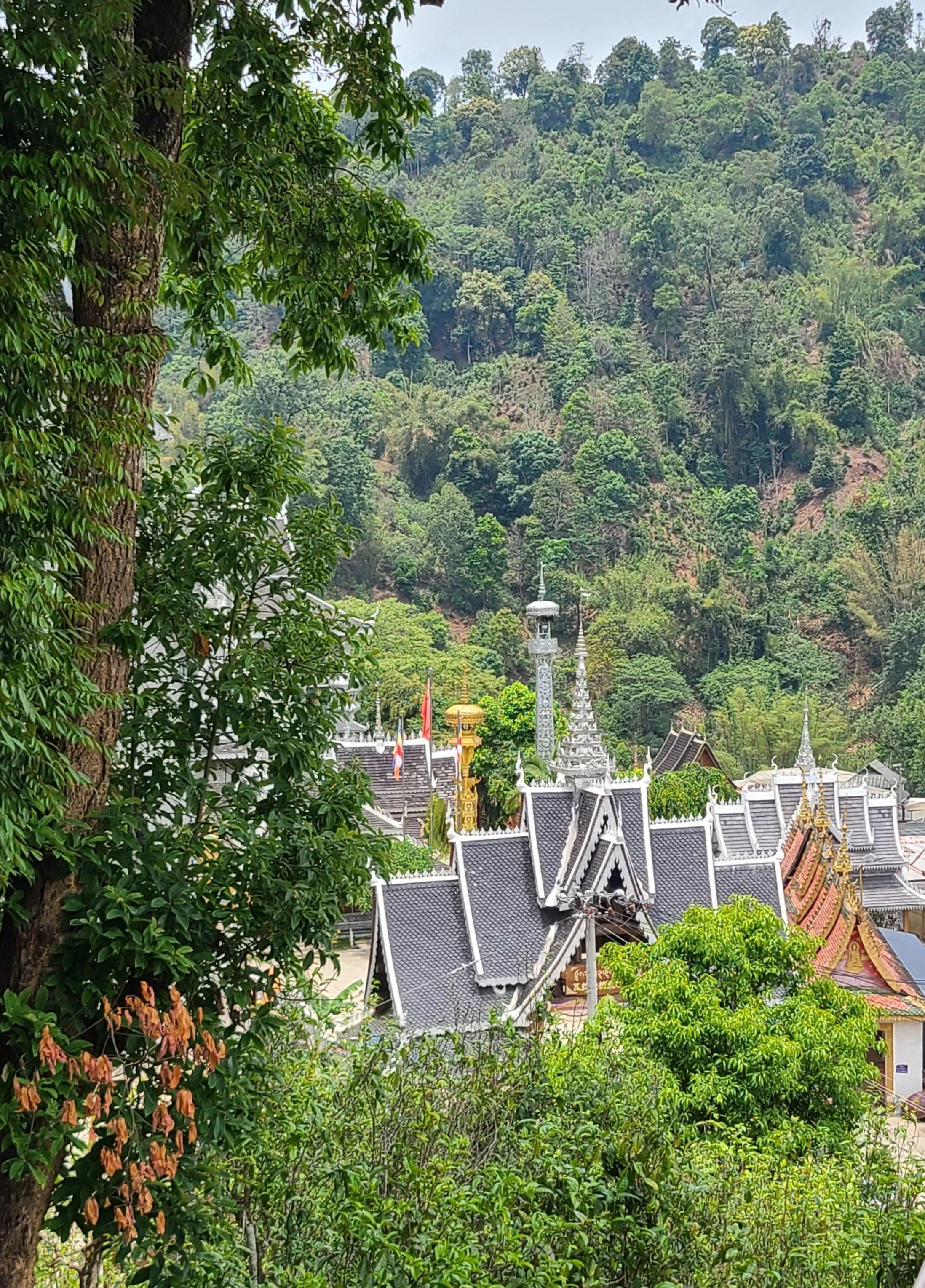
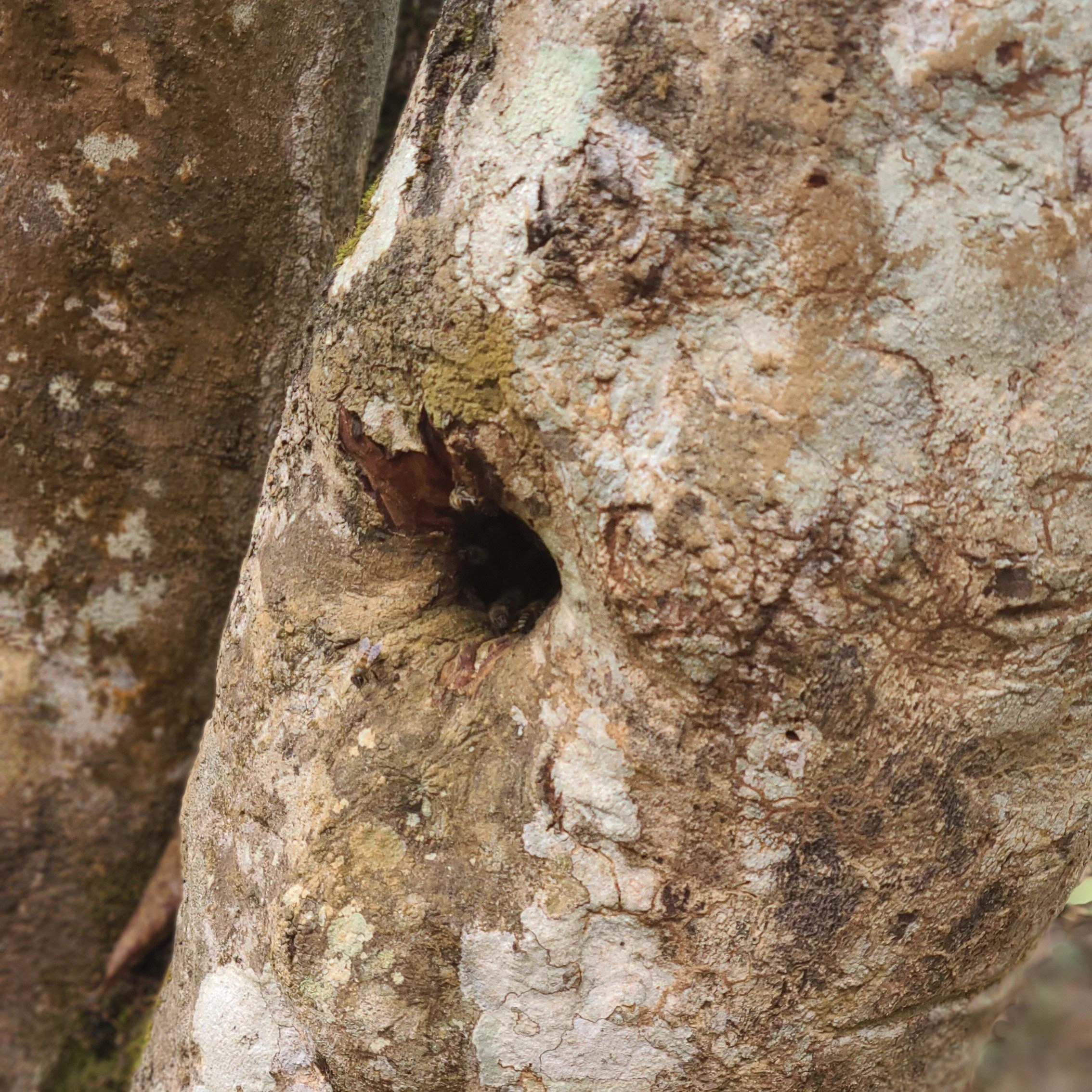
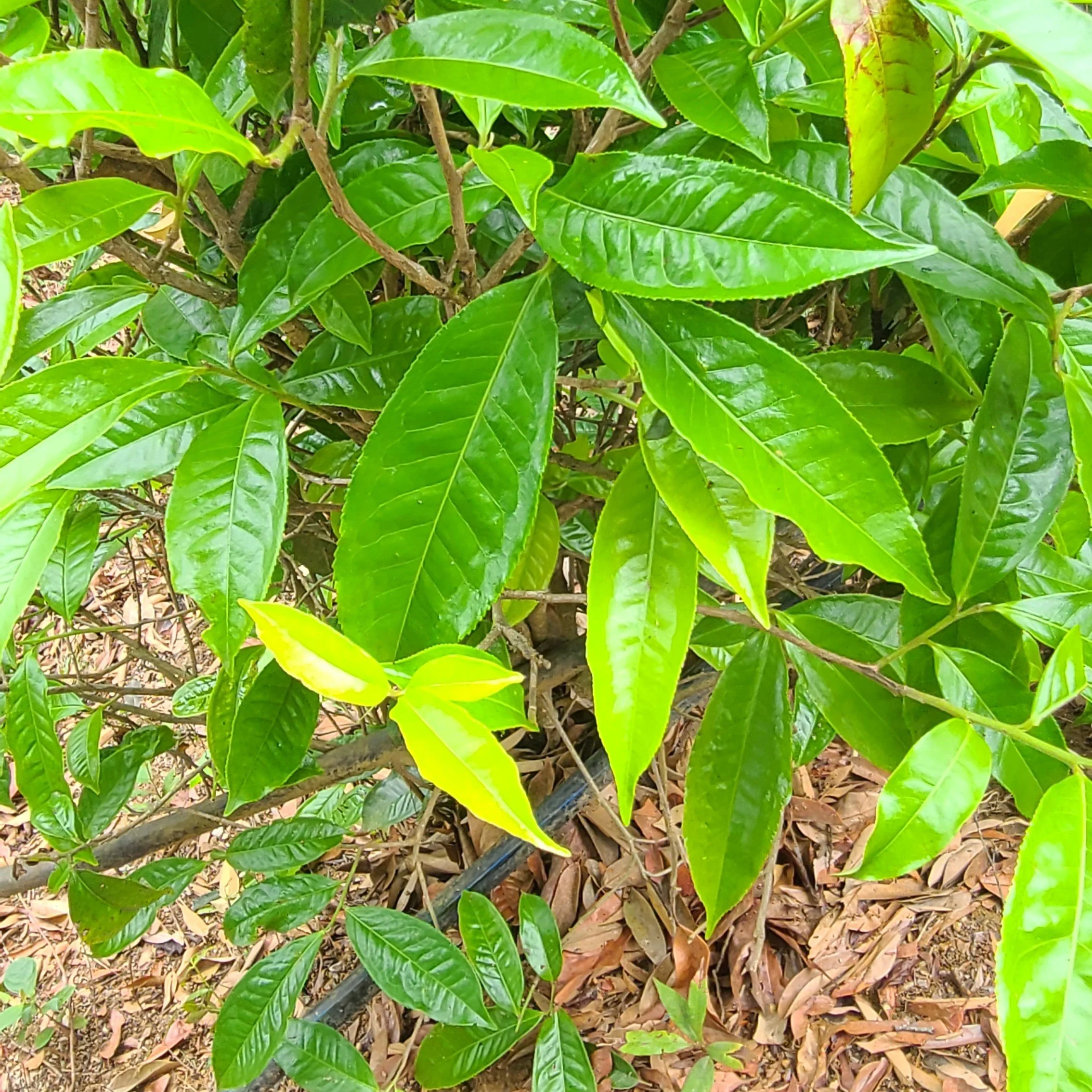
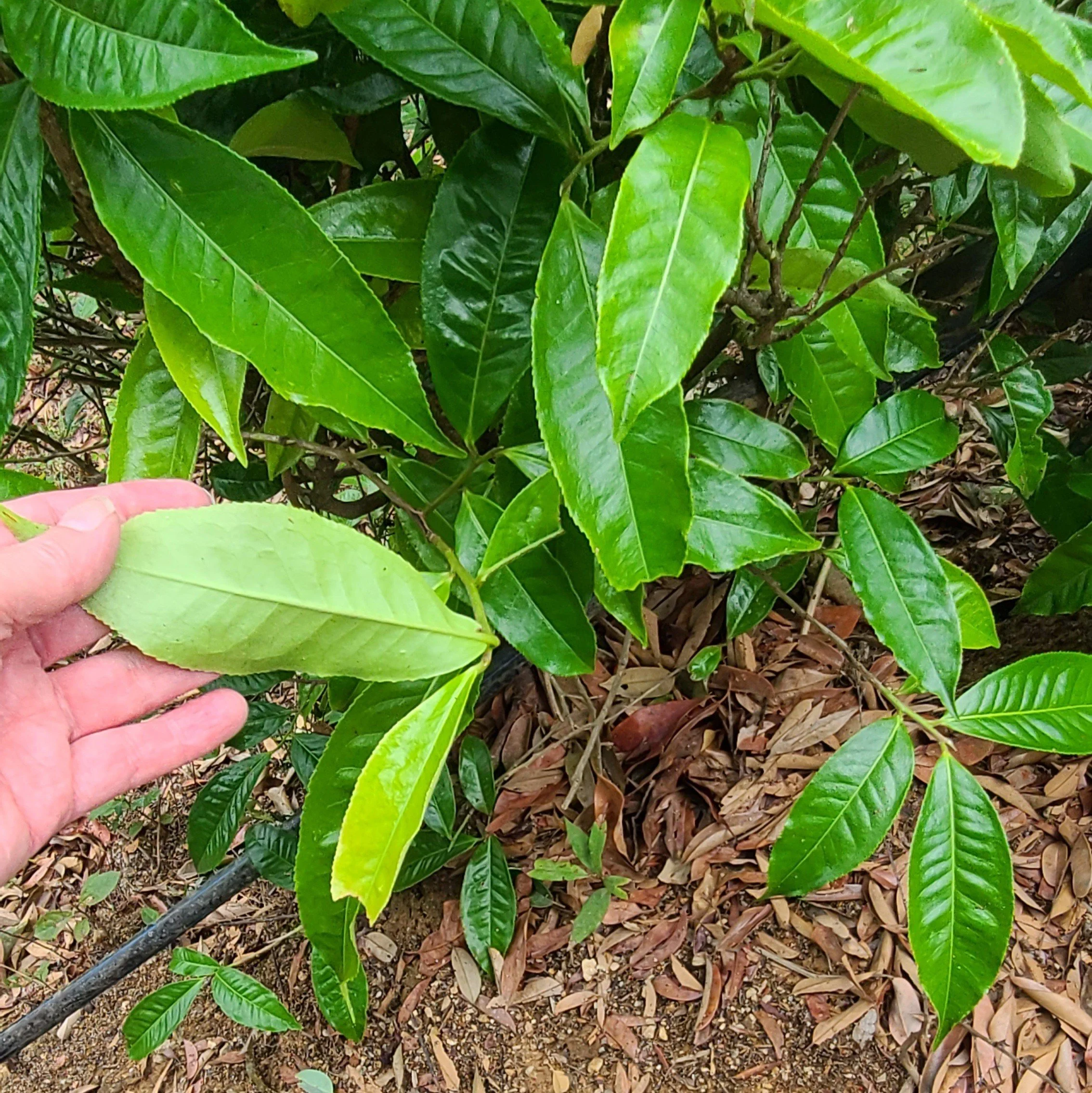
We also visited the Menghai Bulangshan Ancient Tea Mountain Public Interest Litigation Protection Base and its varied botanical garden. There are ancient tea trees, but also a variety of other trees - and the sound of cicadas filled the air.
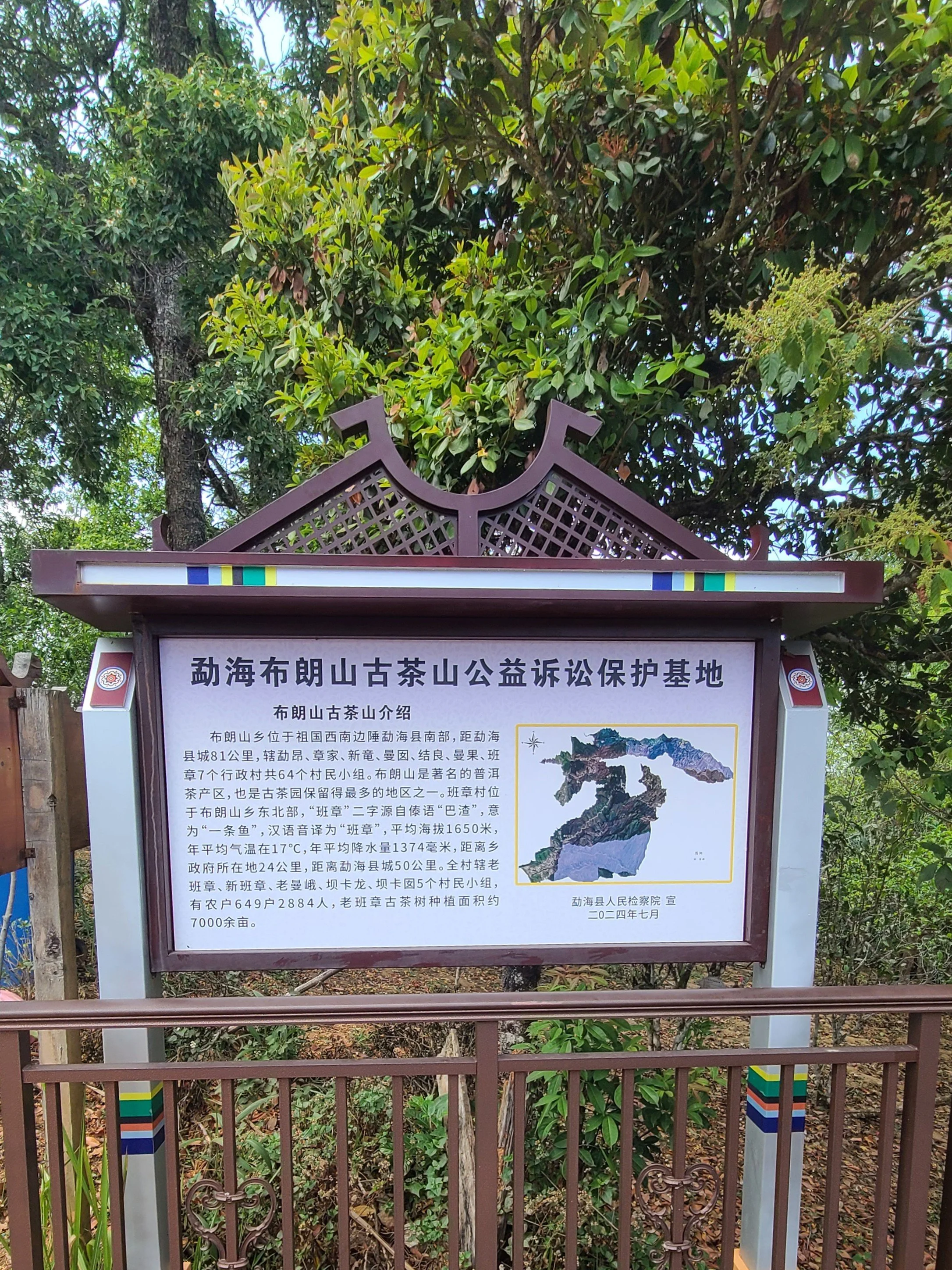
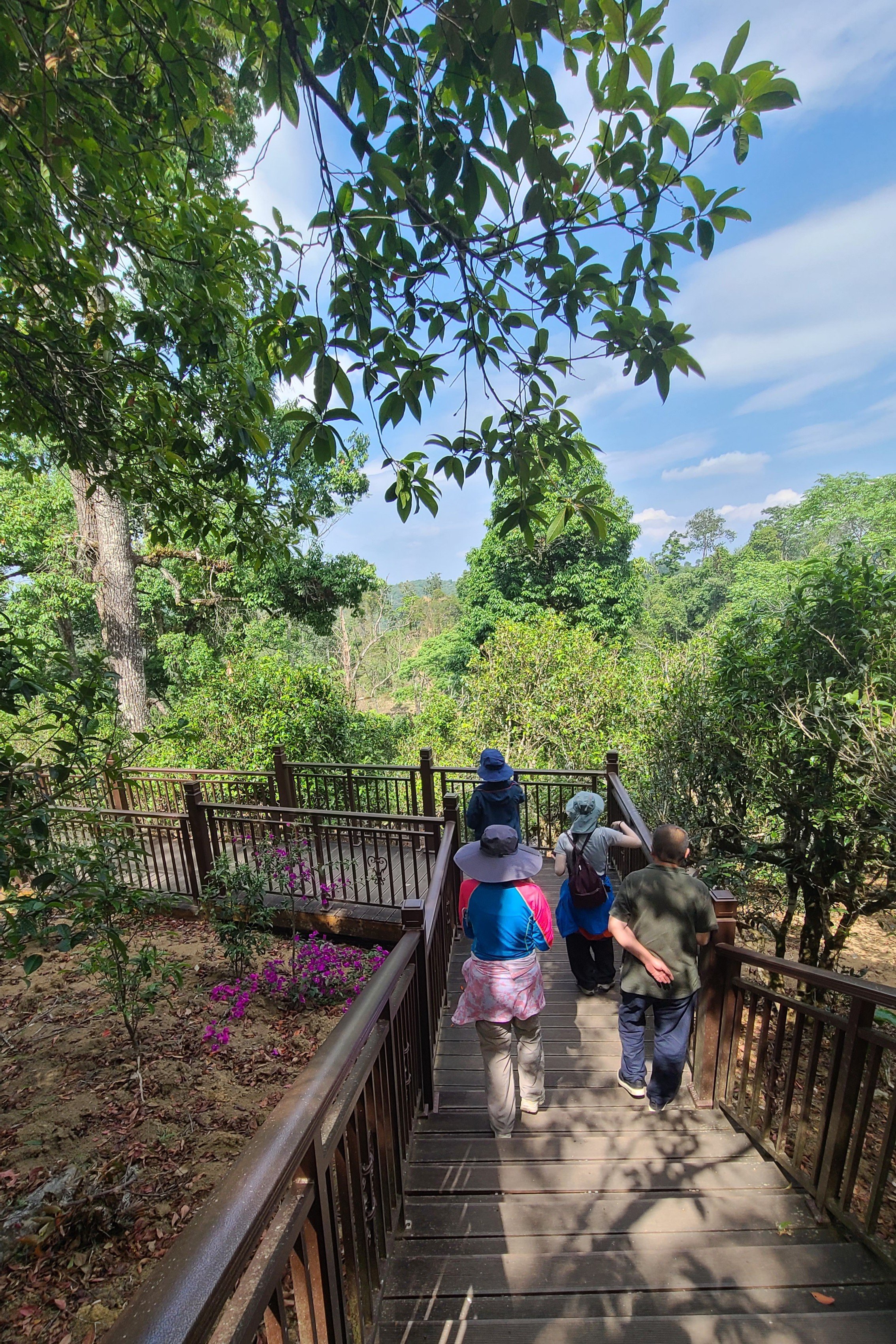
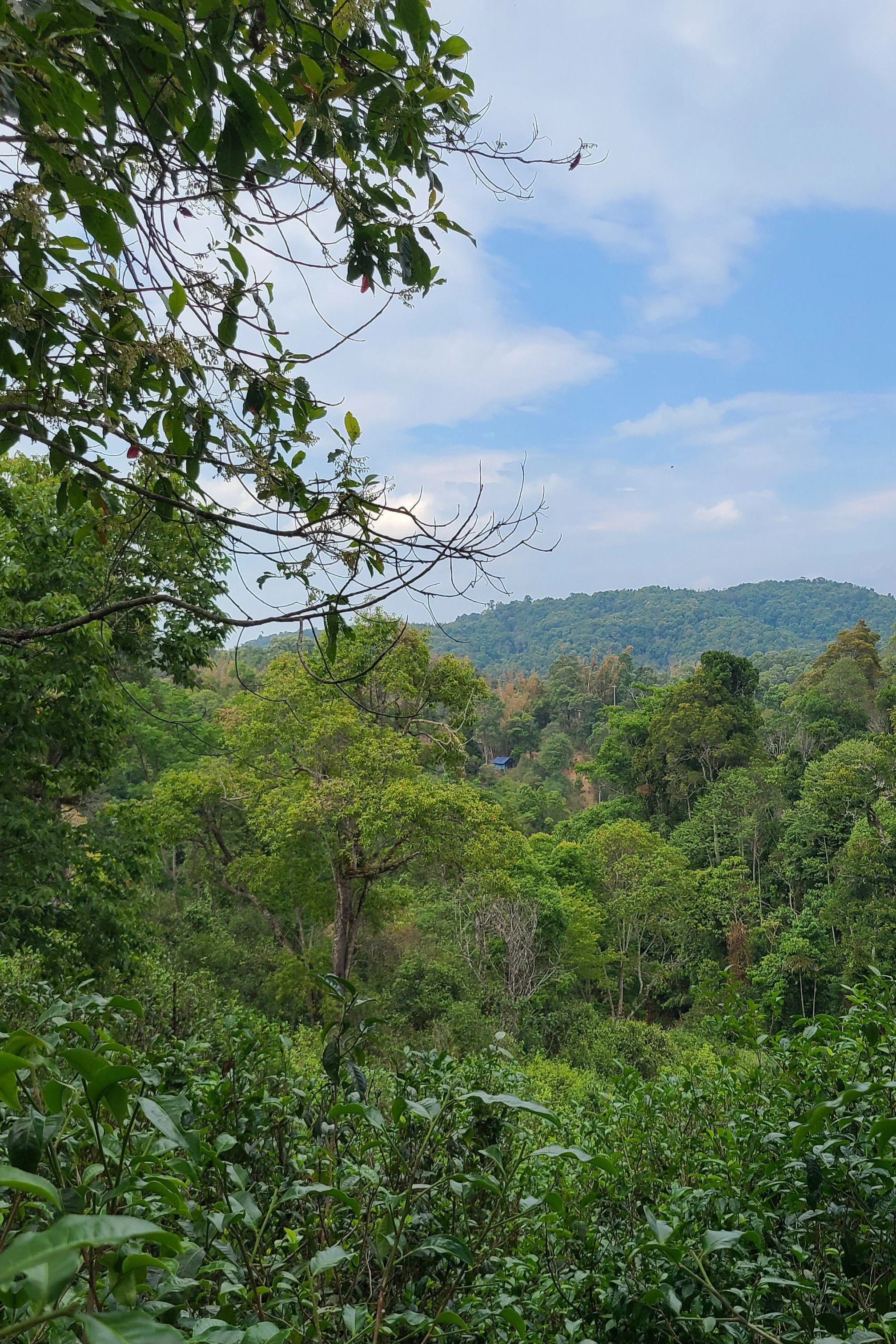
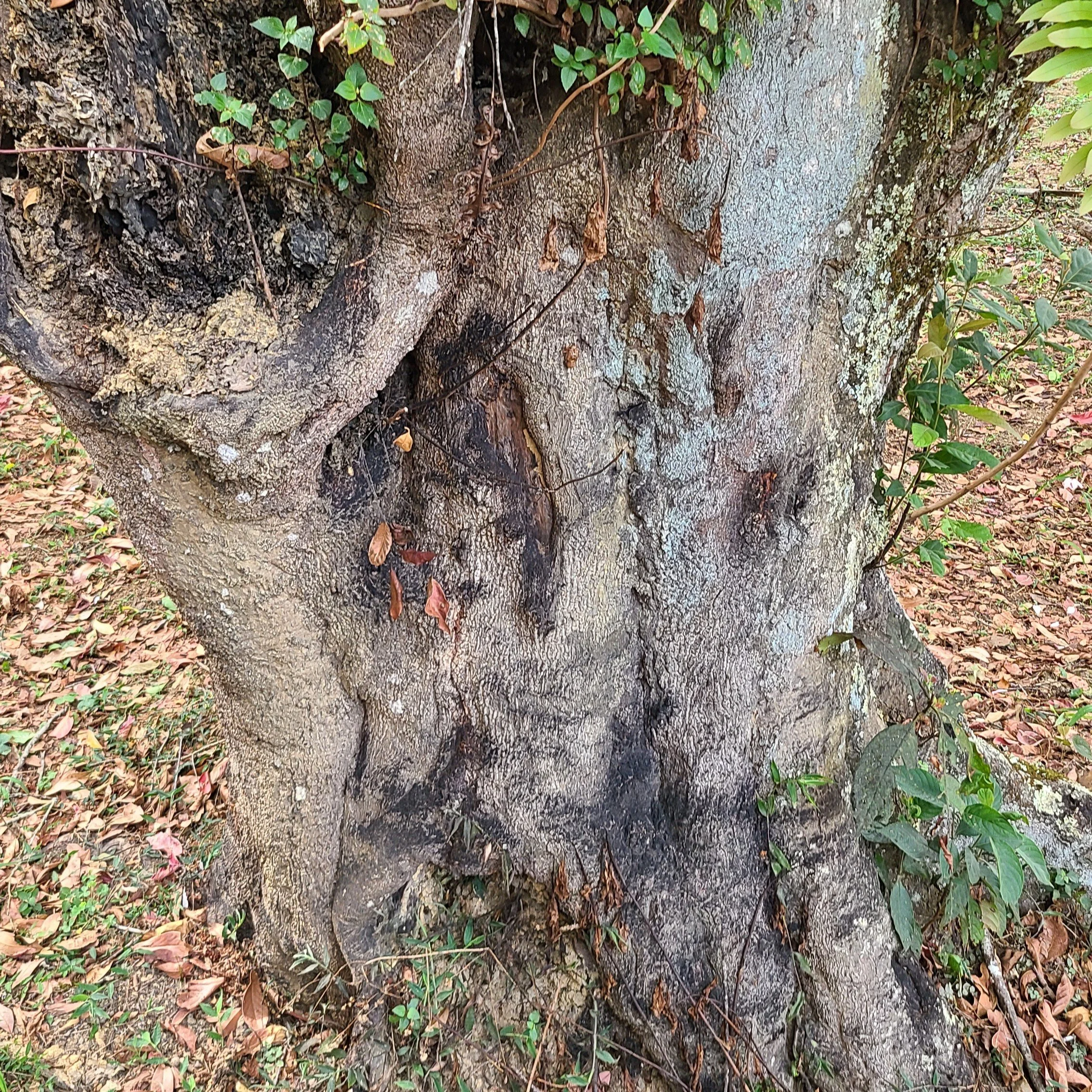
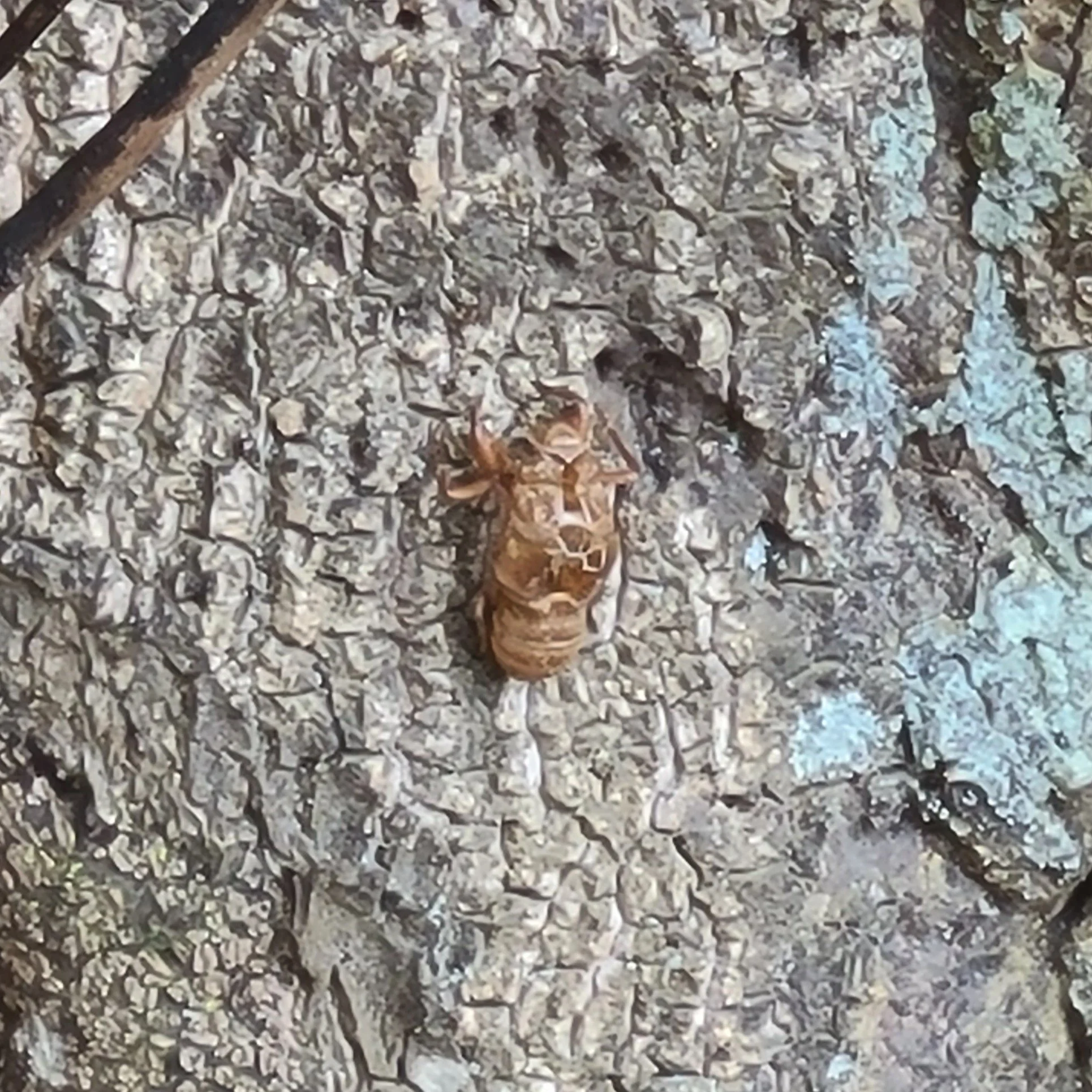
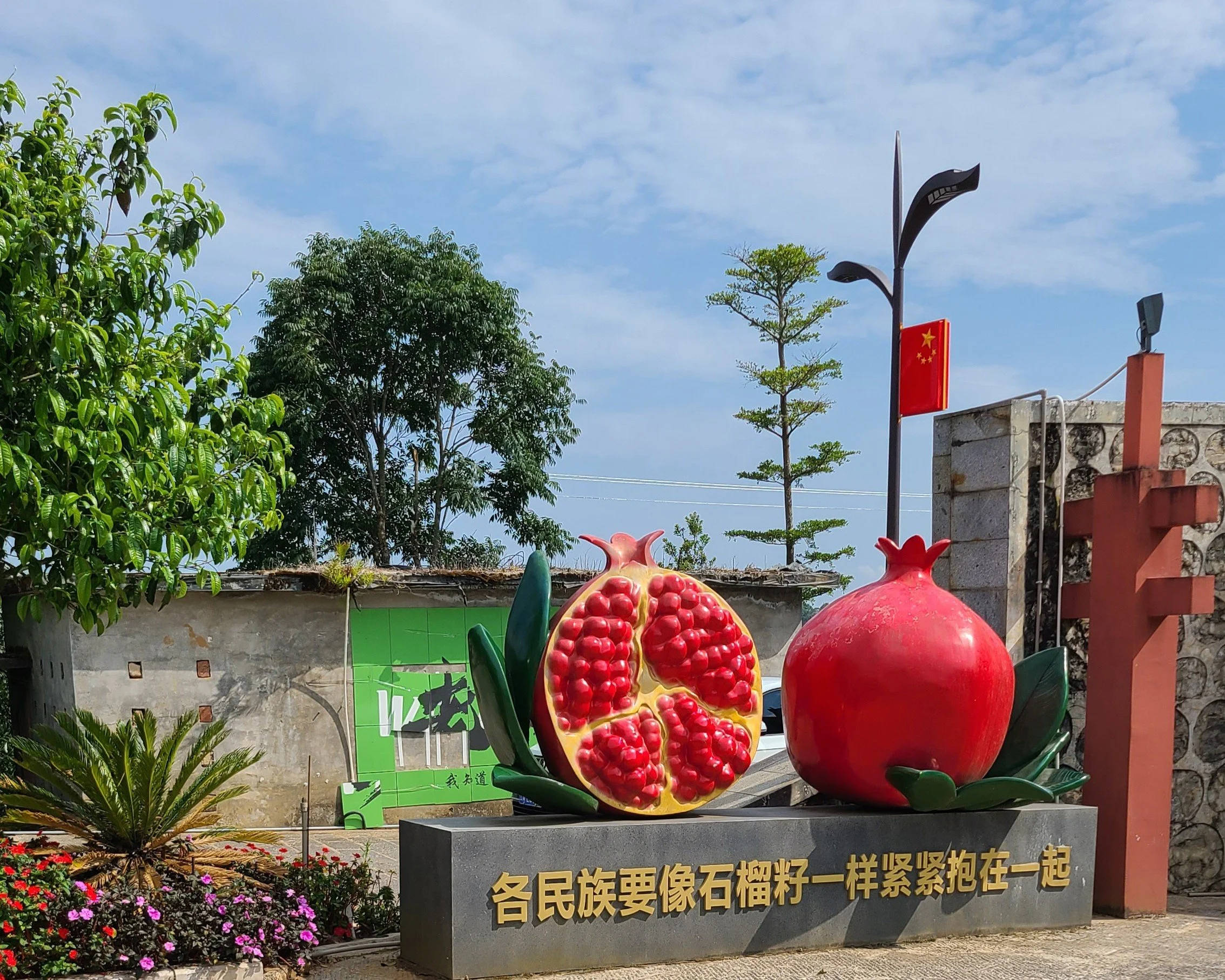
At the gate to the mountainous villages (Lao Ban Zhang - The first Pu’er tea village in China) there was this wonderful sign translated as follows:
“All ethnic groups should unite closely like pomegranate seeds.”
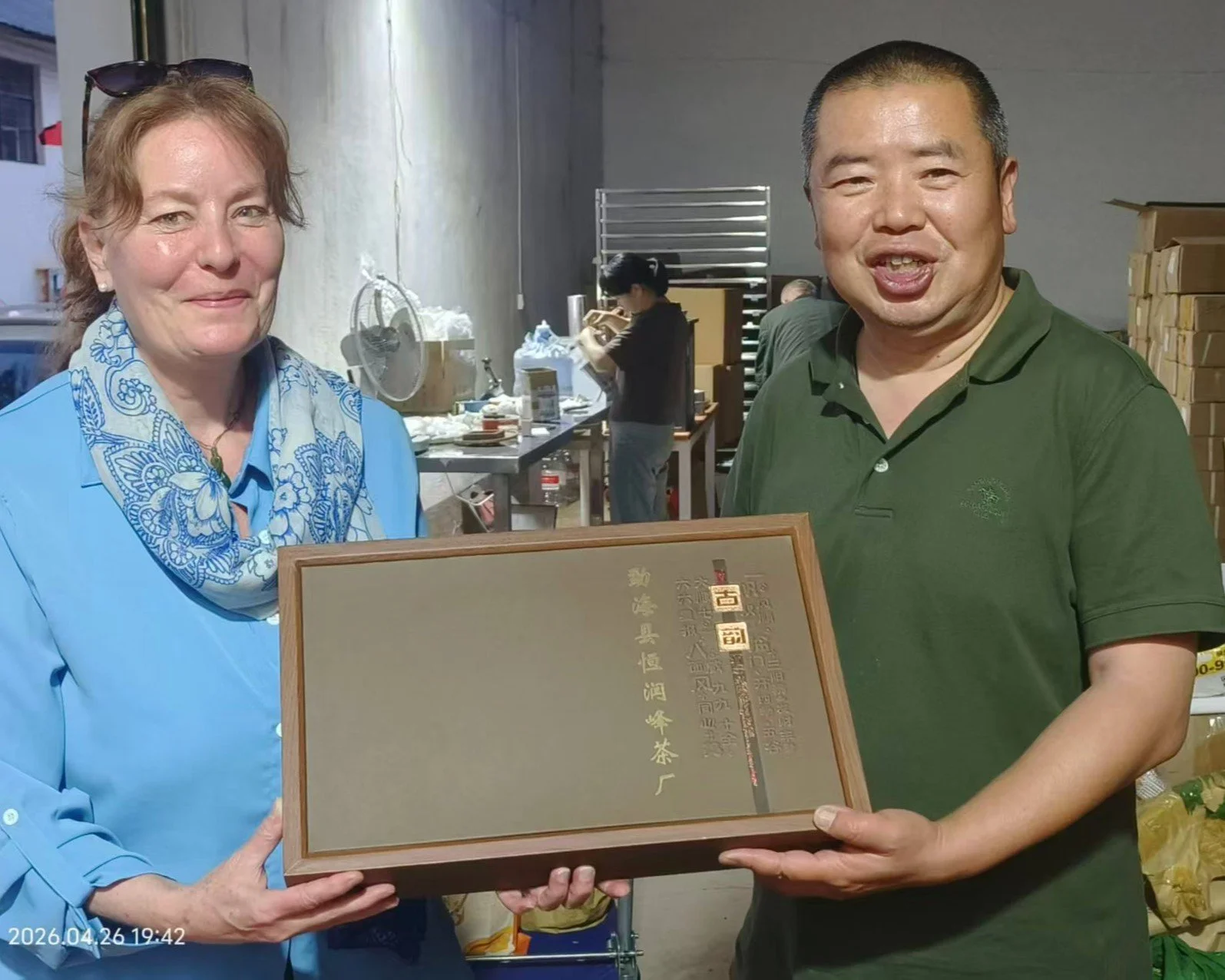
At the end of our time in Menghai, Wei Feng gave each of us this amazing tea set.
It is a special 60th Anniversary set of Sheng and Shou Pu’er. What an incredible gift!
There was so much tea drinking during the tour, it is difficult to work through my scattered notes and now write about everything. Instead, I will do tea tastings of all the tea I purchased and post them as separate blogs in the future.
Yunnan: Part I - Pre-trip Research; Yunnan II - Kunming; Yunnan III - Pu’er; Yunnan IV - Chama Night Market, and more photos can be found under my Travel section.
[1] The Bodhi tree is sacred to Buddhists worldwide. Known as 菩提树 (Pútí shù) in Chinese.
[2] You can see a short video showing this process on my YouTube channel.